How To Inspect Tie Down Straps For Damage
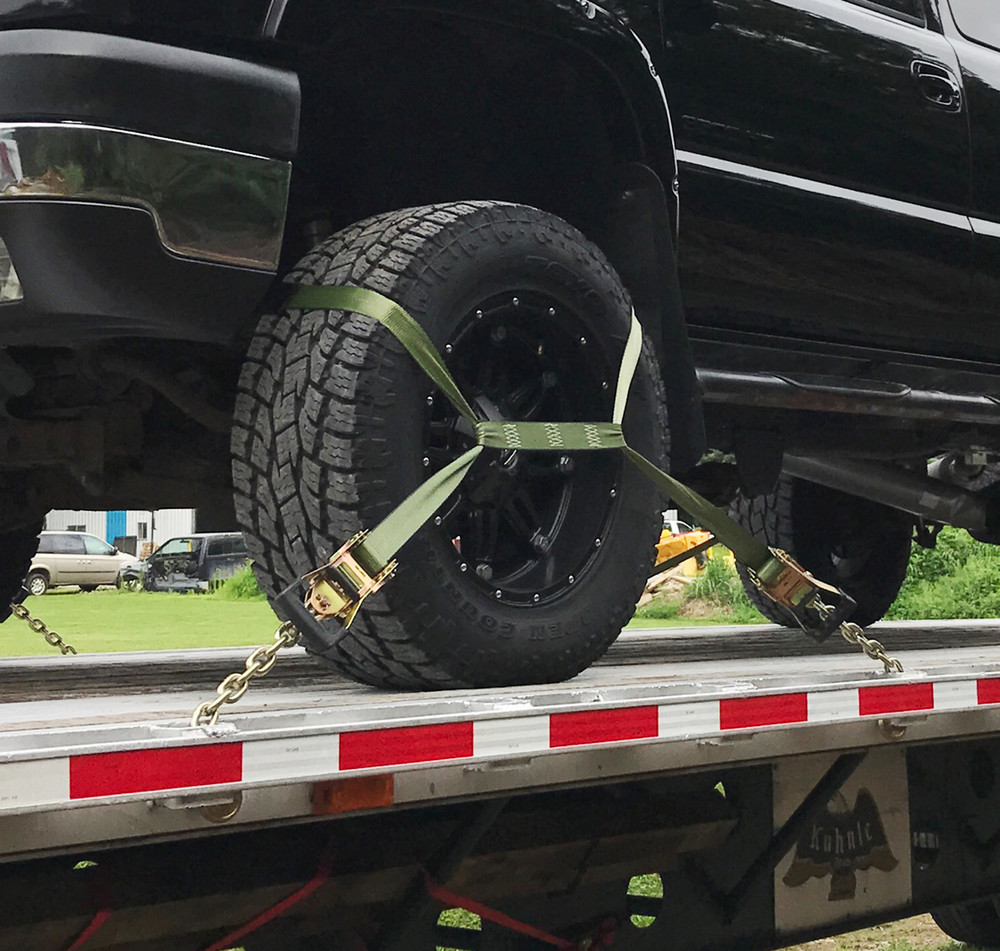
When it comes to hauling cargo, there is nothing more important than knowing that your cargo will remain safe in place from start to finish. One of the key factors in a safe haul is having tie-down straps that are strong enough to secure your load without the risk of coming loose or damaged while on the road. This can be accomplished by pairing the weight of your cargo with the correct working load limit rating.
The other key reason for a safe haul is to inspect your tie-down straps before and after every use by performing a visual inspection. Regardless, if you are transporting cargo in the bed of a pickup truck, utility trailer, dry van, or flatbed trailer, spending a few extra minutes before hitting the road can save you from major headaches and the associated risks.
In this blog post, we will discuss the importance of inspecting tie-down straps for damage and provide instructions on how to perform inspections. Let’s get started.
Why Inspecting Tie Down Straps Is Important
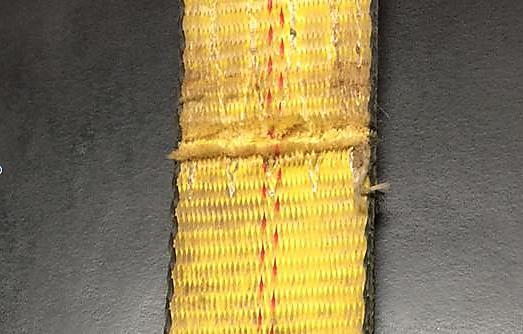
One of the reasons inspecting tie-down straps is very important is that you can normally spot damage before it spreads or puts your cargo at risk if you know what to look for. Damage indicators such as frayed webbing along the edges, burn marks, discoloration from direct sunlight, cuts, or even mold and mildew can be identified before the tie-down straps become dangerous to use in most cases.
All of these factors can cause the tie-down webbing that tie-down straps are made from to become weakened or even damaged, making it unsafe to use. This can create road debris for other motorists from cargo falling off the open-air trailer. For enclosed trailers, this can cause the cargo to move around inside the trailer. This situation can quickly become especially dangerous for professionals operating dry van trailers when opening the dock doors located at the rear of the trailer, as heavy cargo can fall out toward the operator or warehouse worker.
The examples listed above can lead to damaged cargo, costly insurance claims, upset customers, negative reviews, being placed out of service, or even injuries. The worst part of all is that these can often be avoided by inspecting your tie-down straps for damage before and after every use and using the manufacturer’s recommended storage techniques.
If you notice any of these indicators, stop using the tie-down strap immediately. If you continue to use the damaged tie-down strap your cargo could be at risk of becoming unsecured. You should either use another tie-down strap that is still in good condition and safe to use or purchase a replacement tie-down strap to replace the damaged side.
Replacement tie down straps can help you save money in certain cases by reusing the still-good side of the strap and only replacing the damaged end, whether it’s the short or long end of the tie-down strap, at a fraction of the cost of buying a whole new strap. One benefit of purchasing from Trucking Depot is that we custom-make most of our tie-down straps in-house, allowing us to match the exact options you initially ordered for the replacement strap.

The Most Common Reasons Tie Down Straps Become Damaged
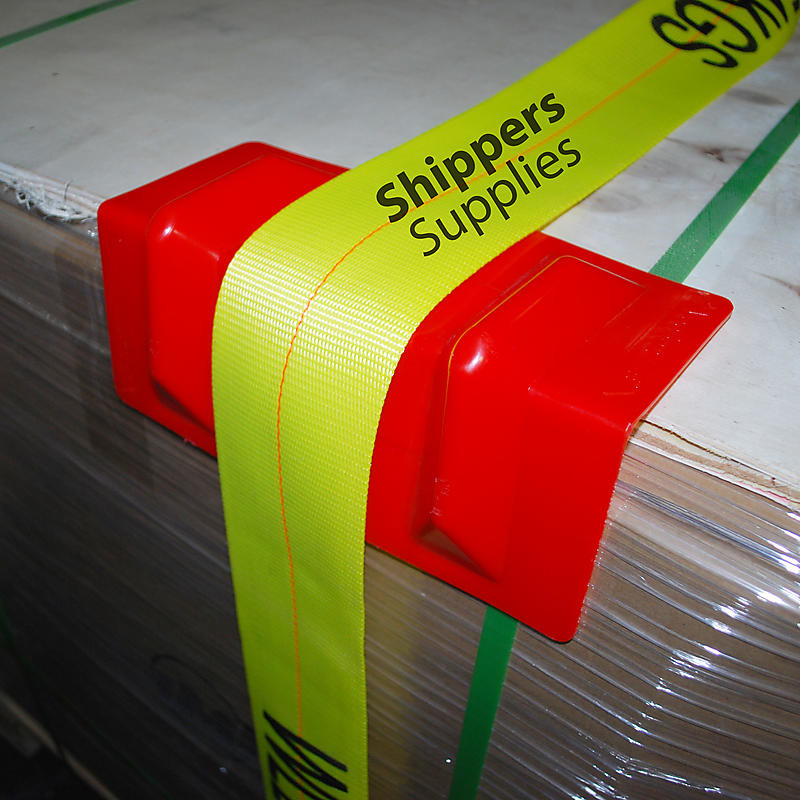
The most common reason tie-down straps become damaged is due to sharp edges coming into contact with the webbing. This causes the webbing to become cut or torn, making the strap unsafe to use. One of the best ways to prevent sharp metal edges from damaging tie-down straps is by using corner protectors.
Corner protectors create a layer of protection that goes between sharp edges and tie down webbing to prevent cuts. If you’re frequently buying new tie-down straps or replacement straps, it’s a good idea to invest in corner protectors to help extend the life of your straps. In certain widths of webbing, we also offer heavy-duty webbing blends which add additional durability and protection against cuts and damage from fraying.
Another way that tie-down straps get damaged is due to improper storage when they are not in use. For example, throwing your tie down straps in the bed of a pickup truck can lead to several types of damage such as discoloration from direct sunlight, mold and mildew from exposure to moisture, and even friction burns from the tangled webbing rubbing against each other as you drive down the road.
To prevent accidental damage, we recommend storing the tie-down straps inside the vehicle, preferably in a dry compartment or within a tie-down storage bag placed away from direct sunlight and moisture.
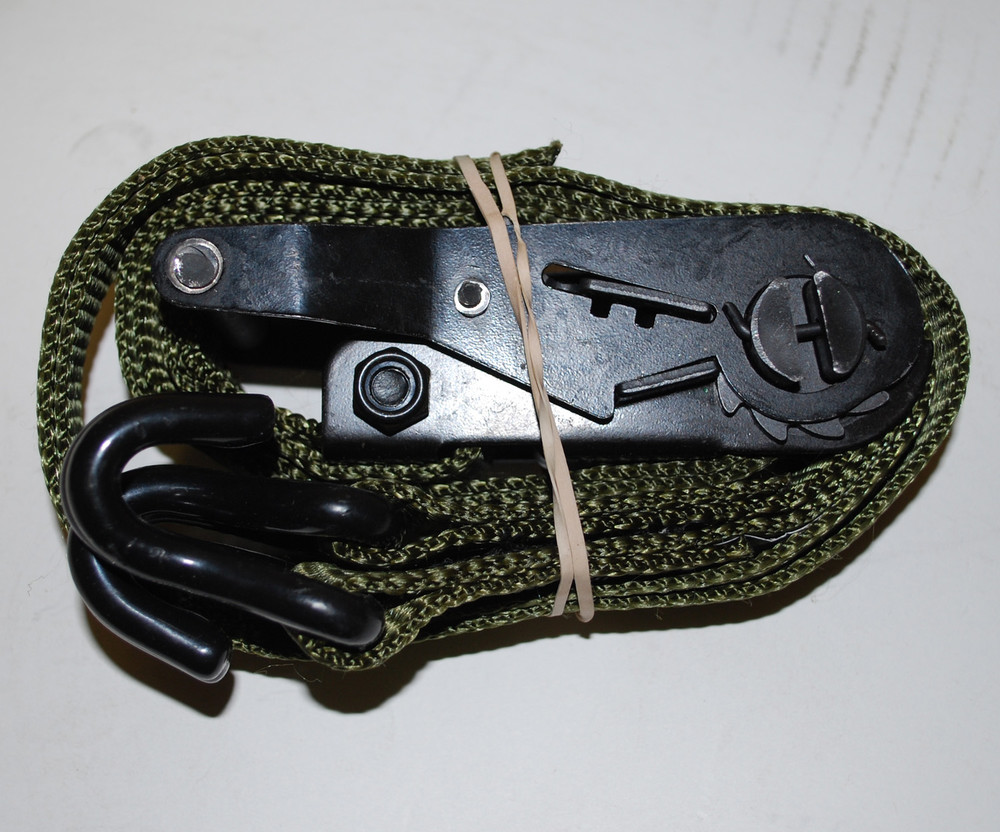
Another helpful tip is to roll the straps up when storing them so the webbing isn’t at risk of forming knots or getting tangled. The best way to do this is to roll the excess webbing around the metal hardware and then use a rubber band to hold the strap neatly in place until you are ready to use it again.
These steps are great to follow to ensure you get the most out of your tie-down straps and they remain in good condition for many future hauls. If you have any questions, our experts are standing by and can be reached at 800-444-0956 or using our contact us page at the top of the website if you prefer email.
How To Inspect Tie Down Straps For Damage
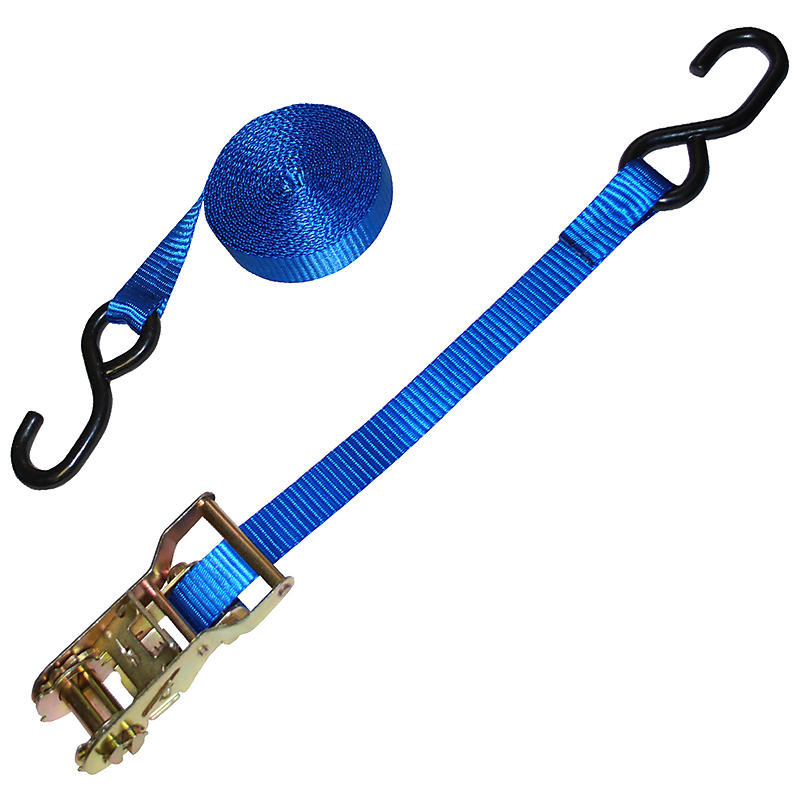
1. Start by placing the strap on a clean and flat surface. Proceed to straighten out the full length of the webbing and remove any twists or knots.
2. Next, visually inspect from top to bottom on both sides of the strap for any visual defects or damage. Check for cuts, tears, fraying, or damaged threads. Also, look for areas with melted fibers, shiny spots, or hardened webbing which are indicators of excessive heat damage.
3. Visually inspect the stitches near the hardware, hooks, and along the edges of the webbing for any broken, missing, damaged threads, or pulled seams. Any damaged stitching can reduce the working load limit of the tie-down strap.
4. Check the hardware for any dings, dents, corrosion, cracks, bends, or rust. Ensure that the moving components move smoothly and that the hardware fully locks in place if applicable. Avoid using the tie-down strap if you notice any sharp metal edges near the webbing.
If you notice any damage to your tie-down webbing or hardware, you should immediately stop using the tie-down strap, as it is unsafe to use.
The Best Ways To Prevent Tie Down Straps From Becoming Damaged
One of the best ways to prevent tie-down straps from becoming damaged is to address any visible signs of damage as soon as possible. Below, we created a list of the leading ways tie-down straps become damaged and how to prevent damage from occurring.
• If you notice any fraying around the edges of the tie-down strap, you can use a lighter to reseal the strap to prevent further damage. Keep the lighter at a safe distance away from the webbing to prevent burns or melting.
• You can prevent sharp edges from causing cuts to your tie-down webbing by using corner protectors to create a barrier between the sharp edge and your sensitive tie-down webbing. Corner protectors can be a great investment to prevent tie-down webbing from becoming damaged and to help your tie-down straps last longer.
• One of the most effective ways to prevent damage is to properly store the tie-down straps when you are not using them. We recommend using our Trucking Depot Tie Down Straps Carrying Bag as it keeps the straps organized. The carrying bag also helps keep the tie-down straps out of direct sunlight and away from moisture.
We recommend keeping the carrying bag inside the vehicle, a compartment, or in a pickup truck bed toolbox to help keep the tie-down straps in good condition. If your tie-down straps become wet due to inclement weather, allow them to dry fully before storing them to prevent mold or mildew from forming.
• Do not meet or exceed the working load limit rating of your tie-down straps. The working load limit rating is based on the breaking strength and is divided into three parts to create a safety net. This is to anticipate factors such as taking a corner too quickly, hard braking, or hard acceleration that could cause extra stress on your tie downs. For further information on what a working load limit is and why they are used, check out our blog on What is a Working Load Limit.
• If you are using ratchet straps, it is important tighten the webbing until it is snug and a few additional cranks if needed. Never continue tightening the ratchet hardware handle, as it can cause damage to your cargo or cause the tie-down strap to become damaged or break.
If you have any questions, our experts are here to help and can be reached at 800-444-0956 or by using our contact us page located at the top of the website if you prefer email. We look forward to helping you find exactly what you need for your next securement application.
How To Clean Tie Down Straps Webbing Safely
One of the most common questions we hear from our customers is how to safely clean the tie-down straps webbing once it becomes dirty from general road debris, dirt, or grime. Our advice is to start by brushing off any excess dirt using a soft-bristled brush to prepare it for washing. This can be done during the pre-inspection to determine if the strap is still safe to use.
Next, fill up a bucket with warm water and add a small amount of mild dish soap. Avoid using acidic dish soaps, bleach, solvents, or harsh chemical cleaners during this process, as they can cause damage to the webbing. Once you have the mild dish soap mixed in the warm water, begin scrubbing the tie-down webbing with the soft brush to remove contaminants from the webbing.
Once you have repeated this process with the soft brush, you can now begin the final steps by rinsing off the soap. Once the soap is removed from the webbing, allow the tie-down webbing to air-dry in a location away from direct sunlight before storage.